

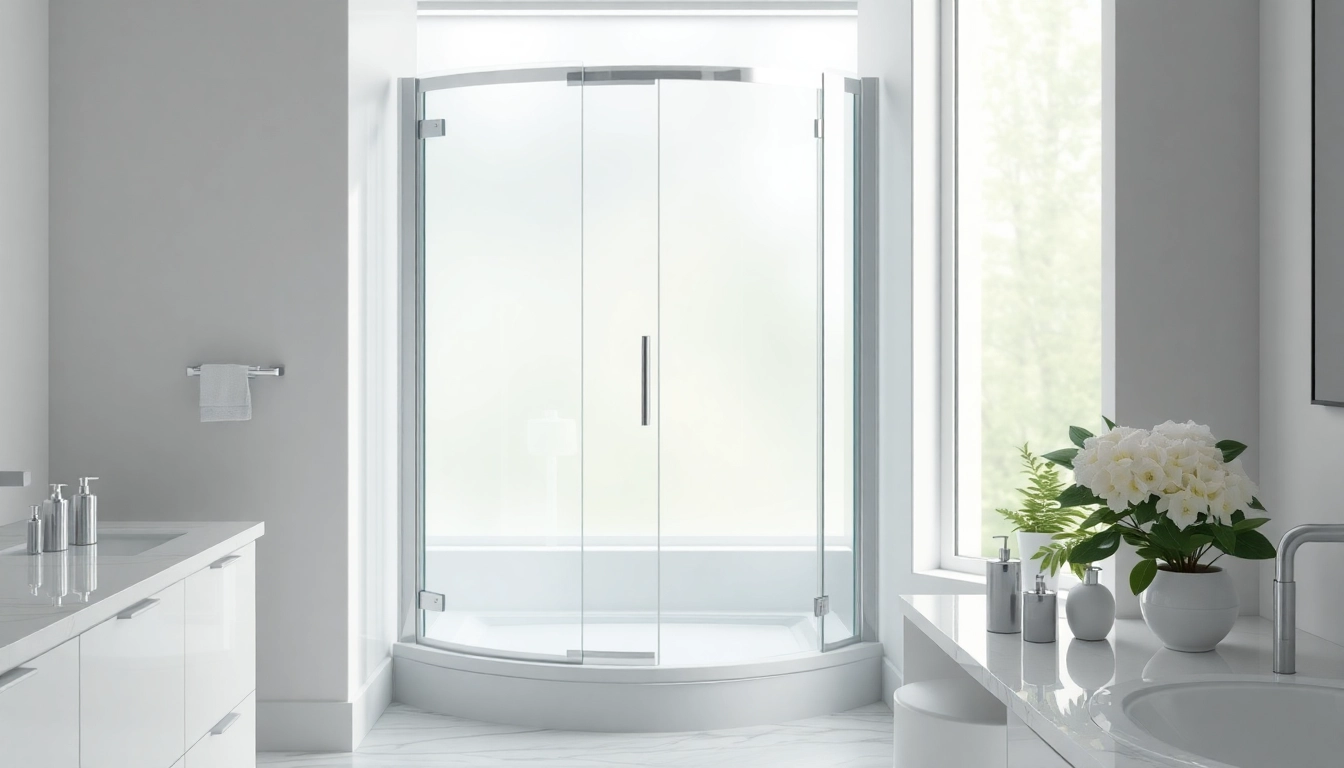
When it comes to bathroom design, maximizing space is often a top priority, especially in smaller homes. One of the most effective solutions for achieving this is by incorporating a corner shower enclosure. These enclosures not only save space but also add a modern touch to the bathroom environment. In this article, we will explore the various aspects of corner shower enclosures, including their designs, benefits, installation tips, maintenance advice, and frequently asked questions.
Understanding Corner Shower Enclosure Basics
What is a Corner Shower Enclosure?
A corner shower enclosure is a compact shower unit designed to fit snugly into a corner of a bathroom. They typically consist of three or more walls, with one or two facing the bathroom access point, allowing for efficient use of space. These enclosures come in various shapes, such as square, rectangular, or neo-angle, providing a versatile design option that accommodates different bathroom layouts.
Benefits of Installing a Corner Shower Enclosure
Corner shower enclosures offer several advantages, making them a popular choice for both homeowners and builders:
- Space-Saving: Designed specifically for corners, these units free up valuable floor space, allowing for other bathroom features, such as additional storage or a larger vanity.
- Easy Access: With a doorway positioned in the corner, corner enclosures provide straightforward accessibility while minimizing the need for additional clearance space.
- Design Flexibility: Available in various styles and materials, corner enclosures can match any aesthetic, from modern and minimalist to traditional and ornate.
- Enhanced Lighting: The corner location positions them away from major fixtures, allowing for better light flow throughout the bathroom.
Key Features to Look For
When choosing a corner shower enclosure, consider the following features:
- Size: Measure your space accurately to ensure a proper fit, keeping in mind that common sizes include 32”x32”, 36”x36”, and custom dimensions tailored to specific needs.
- Door Type: Select between hinged or sliding doors based on the available space and personal preference.
- Material Quality: Choose materials like tempered glass for durability and aesthetic appeal, ensuring that they are resistant to moisture and easy to clean.
- Water Seal: Look for an enclosures’ ability to prevent leaks, which is vital for maintaining both the structure of the enclosure and the surrounding area.
Types of Corner Shower Enclosures
Frameless vs. Framed Enclosures
Corner shower enclosures can be categorized into two main types: frameless and framed.
- Frameless Enclosures: Made of thicker glass (usually ½ inch), frameless models create a sleek, luxurious look. The lack of frames provides an open, airy feel while allowing more light to enter the shower area. However, because they do not have a metal frame for support, proper installation is crucial.
- Framed Enclosures: These feature metal frames around the glass panels, providing additional stability and support. While typically more affordable than frameless models, they can appear bulkier and may not offer the same aesthetic appeal.
Design Variations: Square, Neo-angle, and Round
Corner shower enclosures come in several design variations:
- Square Layout: These are the most common, offering a traditional cubical appearance and available in various dimensions.
- Neo-Angle Design: With four glass sides, two of which meet at a 45-degree angle, neo-angle enclosures are ideal for small spaces that require a more compact design.
- Round Enclosures: These provide a flowing shape rather than sharp angles, perfect for a softer bathroom aesthetic. They typically fit well in tight corners and create a unique focal point.
Material Choices for Longevity and Style
The material of a corner shower enclosure significantly influences its longevity and design style. Common materials include:
- Tempered Glass: Highly resistant to thermal shock and breakage, tempered glass enclosures are an excellent choice for safety and durability.
- Acrylic: Lightweight and generally easier to install, acrylic enclosures can offer a range of colors and styles, though they may be less durable than glass.
- Fiberglass: This material is typically less expensive, but it can stain over time and might not provide the same aesthetic appeal as glass options.
Installation Tips for a Corner Shower Enclosure
Preparing Your Bathroom Space
Before installation, it’s essential to prepare your bathroom:
- Clear the Area: Remove all existing fixtures and clear the area to work without obstruction.
- Check Plumbing: Inspect the existing plumbing to ensure it’s suitable for your new enclosure; you may need a plumber for adjustments.
- Measure Accurately: Measure the available space accurately, allowing for installation tolerances and choosing the right size enclosure.
Tools and Materials Needed
Having the right tools and materials will make installation smoother. Commonly needed items include:
- Level
- Drill
- Measuring tape
- Screwdriver set
- Silicone sealant
- Wall anchors
Step-by-Step Installation Guide
Follow these steps for the installation of your corner shower enclosure:
- Install the Base: Secure the base according to the manufacturer’s instructions, ensuring it is level and stable.
- Attach Wall Panels: Begin attaching the wall panels, securing them firmly to the wall studs.
- Install the Door: Fit the door according to your chosen design, ensuring it swings or slides smoothly.
- Seal Joints: Use silicone sealant to seal all joints and edges to prevent water leaks.
- Test for Stability: Step into the fully assembled enclosure to ensure all components are stable and secure.
Maintaining Your Corner Shower Enclosure
Regular Cleaning Techniques
To keep your corner shower enclosure looking new, regular cleaning is essential. Use non-abrasive cleaners to avoid scratching the glass or acrylic surfaces. Vinegar and baking soda make a great natural cleaning solution for eliminating soap scum and hard water spots.
Preventing Mold and Mildew
Prevent mold and mildew buildup by ensuring proper ventilation in your bathroom. A bathroom fan or window can significantly reduce humidity levels. Additionally, wipe down the enclosure after each use to remove excess moisture.
Repairing Common Issues
Over time, issues like leaks or cracked glass may arise. Address leaks promptly by inspecting seals and applying fresh silicone where necessary. For cracked glass, professional replacement is often the best solution to ensure safety and integrity.
Frequently Asked Questions about Corner Shower Enclosures
Is a corner shower a good idea?
Yes, especially for smaller bathrooms. They maximize space while providing an efficient and stylish showering solution.
How much space do I need for a corner shower enclosure?
A standard corner shower usually requires at least 32”x32” of space, but custom sizes can accommodate smaller areas.
Can corner shower enclosures be customized?
Yes, many manufacturers offer custom sizes and styles to fit unique bathroom designs and requirements.
What materials are best for corner shower enclosures?
Materials like tempered glass and acrylic are popular due to durability and ease of maintenance, with glass options offering a more upscale look.
How to prevent water leakage in corner shower enclosures?
Use high-quality seals and silicone during installation, and regularly check for worn-out seals that may need replacement.