

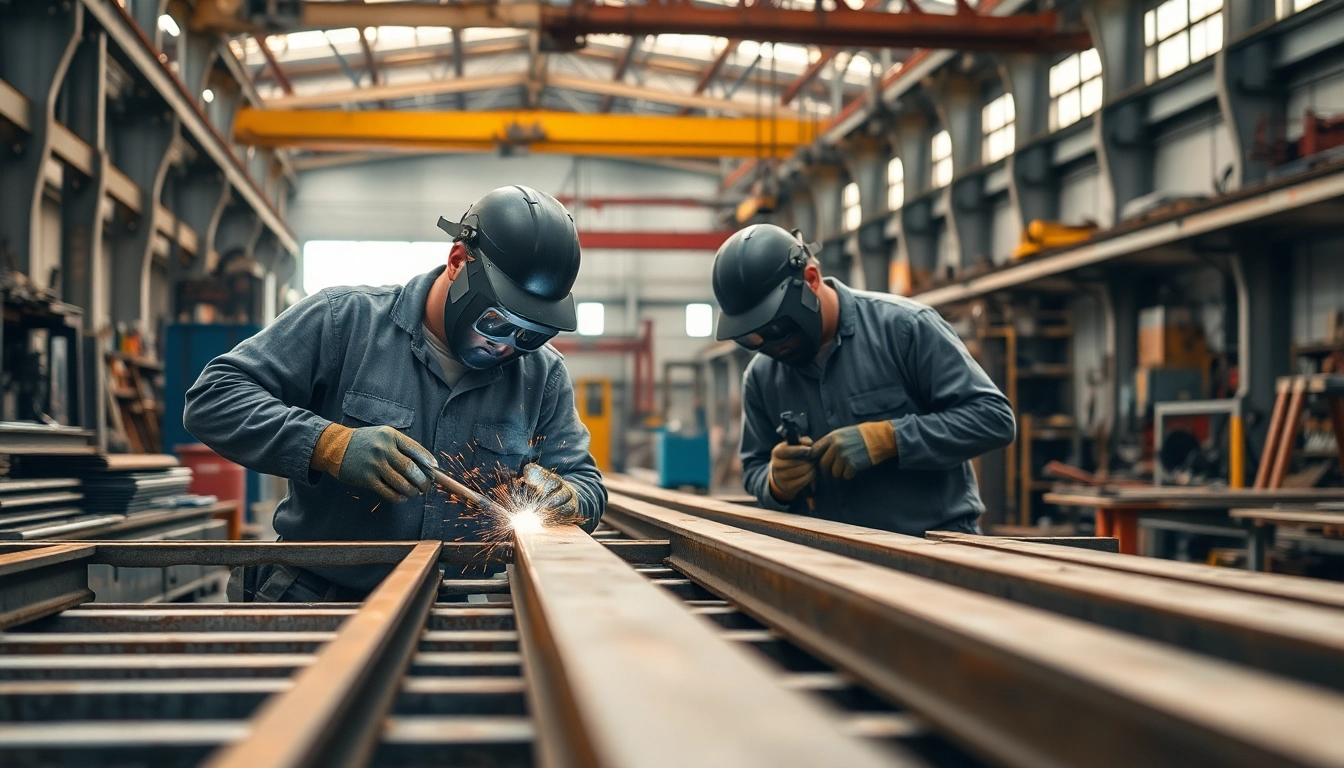
Understanding Steel Fabrication Shops
Steel fabrication shops are essential facilities that play a crucial role in the construction and manufacturing sectors. They specialize in the transformation of raw steel materials into tailored products that meet specific client needs. From bridge reinforcements to custom metal frames, these shops are pivotal in various applications, demonstrating their importance in modern infrastructure and manufacturing. Whether you are a contractor, architect, or business owner, understanding the capabilities and services provided by a steel fabrication shop is vital for your project success.
What is a Steel Fabrication Shop?
A steel fabrication shop is a dedicated workspace equipped with tools and technology designed for the cutting, shaping, and assembly of steel components. Skilled fabricators utilize techniques such as welding, plasma cutting, and machining on various types of steel—including carbon steel, stainless steel, and aluminum—to create finished products that meet precise engineering specifications. The versatility of these shops allows them to serve a multitude of industries, including construction, automotive, aerospace, and infrastructure.
Key Services Offered by Steel Fabrication Shops
Steel fabrication encompasses a wide range of services aimed at fulfilling client specifications. Key services offered include:
- Cutting: Precision cutting of steel sheets and sections is essential. Services may include laser cutting, waterjet cutting, and plasma cutting, providing various options depending on the material thickness and project requirements.
- Welding: This is a fundamental process in steel fabrication, where separate steel components are joined together to form intricate structures or frames. Techniques range from MIG to TIG welding, each suitable for various applications.
- Bending and Forming: Steel can be bent or formed to create desired shapes using press brakes or rolling machines. This process is important for producing parts such as brackets and piping.
- Assembly: Fabricated components often need to be assembled into larger structures. Steel fabrication shops can provide this service, ensuring that every piece fits perfectly according to design specifications.
- Finishing: After fabrication, applying coatings such as paint, galvanization, or powder coating is crucial for protecting metal from corrosion and enhancing aesthetics.
Importance of Quality in Steel Fabrication
Quality in steel fabrication is paramount as it directly impacts the durability, safety, and performance of the finished products. High-quality fabrication minimizes defects, reduces rework costs, and ensures compliance with industry standards and regulations. Techniques like stringent quality control measures, proper material selection, and skilled labor are essential for achieving superior quality. Many steel fabrication shops also obtain certifications (e.g., ISO, AWS) to demonstrate their commitment to quality assurance and to enhance their credibility in the industry.
Choosing the Right Steel Fabrication Shop
Selecting the appropriate steel fabrication shop for your project can be a daunting task, given the variety of options available. Here are some key factors to consider during your selection process:
Evaluating Reputation and Experience
The reputation and experience of a fabrication shop speak volumes about its capabilities. Shops with a long-standing presence in the industry have likely honed their skills and processes over time. Check for certifications, industry affiliations, and ask for examples of previous work. Engaging with businesses similar to yours can also yield first-hand insights about potential fabricators’ reliability and workmanship.
Assessing Capabilities and Services
Different projects require various levels of service, so it’s essential to assess what a potential steel fabrication shop offers. Evaluate the range of services, from design and engineering through to prototyping and production. Ensure the shop has the necessary equipment, technologies, and skilled manpower available to meet your project requirements. Specialized services, such as custom fabrications or specific welding techniques, indicate a shop’s versatility and capability.
Understanding Client Testimonials and Reviews
Client testimonials and reviews provide invaluable insights into a shop’s performance and reliability. Look for feedback on aspects such as project timeliness, communication effectiveness, and production quality. Online reviews on platforms like Google or specialized industry sites can reveal the experiences of previous customers. Don’t hesitate to reach out for references to gain a clearer picture of how the shop operates and what you can expect.
Innovations in Steel Fabrication
The evolution of technology has significantly impacted the steel fabrication industry, leading to innovations that enhance efficiency, precision, and sustainability. Staying abreast of these trends is essential for both fabricators and clients.
New Technologies Transforming Steel Fabrication Shops
Advanced technologies, such as computer numerical control (CNC) machining and robotics, have transformed traditional fabrication methods. These tools enhance precision, speed, and the ability to produce complex designs with minimal human intervention. Integrating Building Information Modeling (BIM) into the fabrication process allows for improved collaboration between architects and fabricators, ensuring that designs are accurately translated into fabrication plans.
Sustainable Practices in the Steel Fabrication Industry
As awareness of environmental issues grows, many steel fabrication shops are adopting sustainable practices. This includes recycling scrap metal, using energy-efficient machinery, and minimizing waste through optimized production processes. Sustainable fabrication not only reduces the carbon footprint but also attracts environmentally-conscious clients, making it a strategic advantage in a competitive market.
Future Trends in Metal Fabrication
Looking forward, the steel fabrication industry is expected to see ongoing digital transformation, with trends such as automation, artificial intelligence, and the Internet of Things (IoT) shaping operations. The move towards ‘smart factories’ will enable real-time monitoring of production processes, further improving efficiency and quality. Additionally, as additive manufacturing continues to grow, it may redefine how custom steel components are produced, allowing for breakthroughs in design and material use.
Best Practices for Successful Projects
To ensure that your project with a steel fabrication shop is successful, adhering to best practices is crucial. Here are several strategies to enhance collaboration and outcomes:
Collaboration Between Clients and Fabricators
Effective communication is the cornerstone of successful projects. Establishing a strong collaborative relationship from the outset helps clarify expectations, project scope, and timelines. Regular meetings and updates can aid in aligning goals and addressing any challenges promptly, fostering a partnership that prioritizes mutual success.
Setting Clear Project Specifications
Clear project specifications are vital for achieving the desired outcome. Create detailed drawings, models, and documentation that specify dimensions, materials, finishes, and tolerance levels. The more information you provide to the fabricator, the lower the likelihood of errors or misunderstandings during production.
Monitoring Quality Control and Timelines
An essential aspect of any fabrication project is monitoring the quality of work and adherence to timelines. Implementing regular checkpoints during the fabrication process allows for early identification of issues and a proactive approach to resolving them. Establishing realistic deadlines based on the project’s complexity and the fabricator’s capabilities ensures smoother project flows.
Measuring Success in Steel Fabrication
Understanding how to measure success in steel fabrication is critical for assessing project performance and overall satisfaction. Here are key metrics to consider:
Defining Key Performance Metrics
Key performance indicators (KPIs) for steel fabrication can include metrics such as on-time delivery rates, quality defect rates, and production efficiency. Regularly monitoring these metrics allows for the identification of trends and areas for improvement, ensuring continuous enhancement of production processes.
Analyzing Cost vs. Value in Steel Fabrication
It is essential to analyze both cost and value when evaluating fabrication projects. While high-quality fabrication may incur higher initial costs, the long-term benefits—such as reduced maintenance, enhanced performance, and lower lifecycle costs—often justify the investment. This consideration is particularly crucial for large-scale or high-stakes projects where the implications of quality are significant.
Continuous Improvement in Fabrication Processes
Finally, fostering a culture of continuous improvement within the fabrication process ensures that the shop consistently evolves and adapts to industry advancements. Techniques such as Six Sigma and Lean Manufacturing can help identify inefficiencies and enhance overall productivity, enabling shops to deliver greater value to their clients over time.