

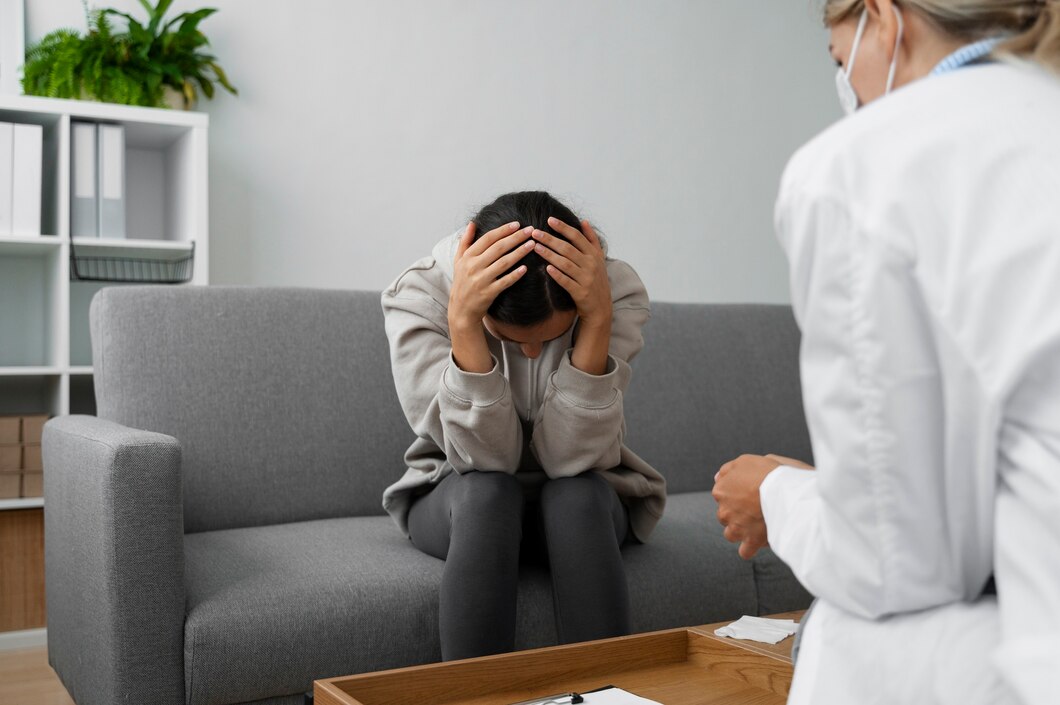
Anxiety is a natural response to stress, but when it becomes persistent, it can significantly affect an adult’s emotional, physical, and mental well-being. Recognizing Anxiety symptoms early and knowing safe ways to manage them is essential for maintaining a balanced life. Calm Minds Hub is dedicated to providing a secure and supportive environment to understand anxiety, emotional health, and personal development.
What Are Anxiety Symptoms?
Anxiety symptoms are signs that your body and mind are responding to stress or perceived danger. These symptoms can be physical, emotional, and behavioral, affecting your daily life, sleep, mood, and overall health. While occasional anxiety is normal, chronic anxiety may indicate an anxiety disorder.
Common Emotional Anxiety Symptoms
Adults experiencing anxiety may notice the following emotional symptoms:
- Excessive worry or fear about everyday situations
- Feeling restless, tense, or “on edge”
- Irritability or mood swings
- Difficulty concentrating or focusing
- Overthinking small problems or worst-case scenarios
Example: Sarah, a 32-year-old office worker, noticed that she often felt overwhelmed by minor deadlines. She constantly worried about making mistakes, even when her work performance was good.
Physical Anxiety Symptoms
Anxiety affects the body as well as the mind. Common physical signs include:
- Rapid heartbeat or palpitations
- Shortness of breath or tightness in the chest
- Muscle tension or headaches
- Sweating, trembling, or shaking
- Digestive issues like nausea or stomach cramps
- Sleep disturbances, including insomnia or restless sleep
Case Study: Mark, a 40-year-old teacher, experienced tension headaches and sleepless nights before presenting lessons. Recognizing these as anxiety symptoms helped him seek strategies to manage stress effectively.
Behavioral Anxiety Symptoms
Anxiety can change how people act in their daily life. Behavioral symptoms may include:
- Avoiding social situations or responsibilities
- Procrastination or difficulty making decisions
- Over-preparing or seeking constant reassurance
- Irrational fears affecting work, relationships, or hobbies
Analogy: Think of anxiety like a car alarm that goes off too often. Even if there is no danger, it can interfere with normal activity and cause stress.
Causes of Anxiety in Adults
Understanding the causes of anxiety can help in managing it effectively. Common factors include:
- Genetic predisposition: Family history of anxiety or other mental health disorders
- Life stressors: Work pressure, financial problems, or relationship challenges
- Health conditions: Thyroid problems, heart conditions, or chronic illness
- Substance use: Alcohol, caffeine, and certain medications can trigger anxiety
- Trauma or past experiences: Childhood trauma, abuse, or significant life changes

How Anxiety Symptoms Affect Daily Life
Anxiety can impact every aspect of adult life, including:
- Work performance: Difficulty concentrating, procrastination, or frequent errors
- Relationships: Irritability, withdrawal, or miscommunication with loved ones
- Sleep: Difficulty falling asleep or staying asleep leads to fatigue
- Physical health: Muscle tension, headaches, and digestive problems can worsen over time
Example: Lisa, a 29-year-old nurse, realized her anxiety symptoms were affecting her interactions with patients and colleagues. Once identified, she learned coping strategies to manage stress safely.
Safe Ways to Manage Anxiety Symptoms
Managing anxiety effectively requires a combination of self-care, professional guidance, and lifestyle changes. Here are strategies supported by evidence:
1. Practice Mindfulness and Meditation
Mindfulness helps adults stay present, reducing overthinking and worry. Techniques include:
- Deep breathing exercises
- Guided meditation apps or sessions
- Mindful walking or journaling
Real-Life Example: John began meditating for ten minutes daily and noticed reduced tension and improved focus at work.
2. Engage in Regular Physical Activity
Exercise releases endorphins that naturally reduce anxiety. Consider:
- Walking, jogging, or swimming
- Yoga or stretching exercises
- Group fitness classes for social engagement
3. Maintain a Healthy Lifestyle
- Balanced diet with plenty of fruits, vegetables, and whole grains
- Limiting caffeine and alcohol
- Prioritizing sleep with a consistent schedule
4. Cognitive Behavioral Techniques
Cognitive Behavioral Therapy (CBT) is highly effective for managing anxiety. Techniques include:
- Identifying negative thought patterns
- Challenging irrational fears
- Gradual exposure to anxiety-triggering situations
5. Build a Support Network
Talking about anxiety with trusted friends, family, or support groups can reduce feelings of isolation. Professional support from counselors or therapists is also essential.
6. Limit Stressors Where Possible
- Organize your day with realistic goals
- Break tasks into manageable steps
- Practice saying “no” to avoid overcommitment
7. Use Relaxation Techniques
- Progressive muscle relaxation
- Aromatherapy or calming music
- Warm baths or leisure reading
8. When to Seek Professional Help
If anxiety symptoms are persistent, worsening, or interfering with daily life, consult a mental health professional. Warning signs include:
- Panic attacks or severe physical symptoms
- Suicidal thoughts or self-harm tendencies
- Inability to function at work or home
Real-Life Case Study
Maria, a 35-year-old graphic designer, experienced chronic anxiety with frequent panic attacks. She avoided social events and felt fatigued daily. By combining CBT, mindfulness practices, exercise, and professional therapy, Maria gradually managed her anxiety symptoms safely. She regained confidence, improved her relationships, and enhanced work performance.
Tips for Daily Anxiety Management
- Keep a journal to track triggers and symptoms
- Practice deep breathing during stressful moments
- Take short breaks during work to reset focus
- Engage in hobbies and activities that bring joy
- Avoid excessive news consumption or negative social media content
Conclusion
Anxiety symptoms in adults can manifest emotionally, physically, and behaviorally, affecting daily life, work, and relationships. Recognizing these symptoms early is crucial for safe and effective management. With mindfulness, healthy habits, therapy, and support, adults can manage anxiety and maintain emotional balance. At Calm Minds Hub, we encourage understanding, compassion, and evidence-based strategies to help individuals navigate anxiety with confidence and safety. Stay connected with the latest trends—start on our homepage.
FAQs
What are the early signs of anxiety in adults?
Early signs include excessive worry, restlessness, irritability, muscle tension, and difficulty concentrating. Recognizing these symptoms can prevent escalation.
Can lifestyle changes reduce anxiety symptoms?
Yes, regular exercise, balanced nutrition, mindfulness, sufficient sleep, and limiting stimulants like caffeine can significantly reduce anxiety symptoms.
When should I seek professional help for anxiety?
Seek help if anxiety is persistent, severe, causes panic attacks, interferes with daily life, or leads to thoughts of self-harm. Professional guidance ensures safe and effective treatment.