Understanding Structural Steel Installation
What is Structural Steel Installation?
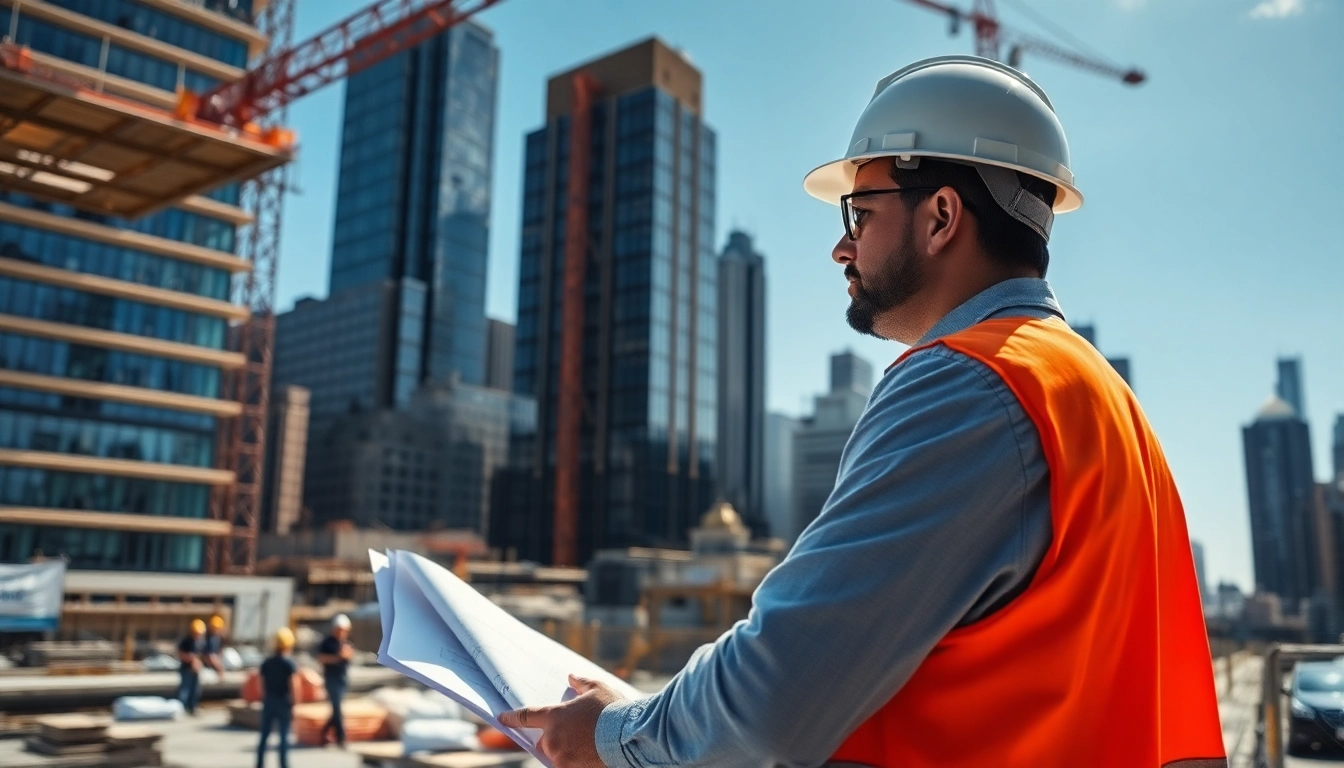
Structural steel installation involves the assembly of steel components to create a sturdy framework for buildings and other structures. This procedure typically includes lifting, positioning, and connecting various steel elements such as beams, columns, and braces. The methods used can vary significantly based on the building's design, intended use, and local regulations. A skilled team of professionals executes this to ensure durability and adherence to safety standards during the entire process. Effective structural steel installation plays a critical role in the overall integrity of construction projects.
Importance of Structural Steel in Construction
Structural steel is integral to modern construction, providing strength and stability while allowing for design flexibility. Its high strength-to-weight ratio enables architects to construct larger spans and outlines without compromising durability. Additionally, structural steel is highly resistant to environmental factors, offering fire and corrosion resistance, thereby extending the lifespan of structures. Its recyclability also makes it an environmentally friendly choice, aligning with sustainable building practices.
Common Materials Used
Common materials used in structural steel installations include:
- Steel Beams: I-beams and H-beams are frequently utilized to support heavy loads.
- Columns: Vertical structures that carry loads from beams and purlins.
- Bracing: Steel rods or angles used to stabilize the structure against lateral forces.
- Connectors: Bolts, welds, and rivets that assemble the steel components securely.
- Paint and Coating: Protective layers to enhance corrosion resistance.
Preparation for Structural Steel Installation
Site Assessment and Planning
A successful installation starts with thorough site assessment and planning. This involves evaluating the geographical characteristics, soil stability, and existing infrastructure. Detailed blueprints are created, taking into account load considerations, environmental factors, and compliance with local zoning regulations. Engaging with structural engineers early on can lead to optimized designs suitable for the specific site conditions.
Preparing Necessary Equipment
Equipping the installation team with the right tools and machinery is vital. Commonly used equipment includes cranes for lifting heavy steel components, forklifts for material handling, and safety gear for personnel. Advanced machinery like robotic welders may also be employed for precision and efficiency. Regular checks on the equipment ensure reliability and safety during operations.
Safety Regulations to Follow
Adhering to safety regulations is non-negotiable in structural steel installation. OSHA guidelines dictate safety protocols that must be followed, including:
- Full PPE (Personal Protective Equipment) usage.
- Installation of guardrails during edge work.
- Frequent safety training and drills for all workers.
- Regular inspections of equipment and safety measures.
Ensuring a culture of safety not only protects workers but also enhances project efficiency and mitigates delays.
Step-by-Step Process of Structural Steel Installation
Initial Framework Setup
The installation process begins with the layout of the site, marking exact positions for columns and other crucial elements. Using ground-level beams establishes an initial framework, which technicians will use to guide subsequent installations. This setup is essential for ensuring the accuracy and alignment of the entire structure.
Column and Beam Erection
After establishing the framework, the next step is erecting columns and beams. Columns are lifted and positioned precisely in alignment with the design specifications. Once in place, beams are connected between columns to form a rigid frame, typically using bolting techniques. The use of level sensors ensures that each element is correctly positioned, preventing future misalignments that can lead to structural issues.
Finalizing with Purlins and Braces
After the beams are erected, purlins and braces are added to complete the structural integrity of the framework. Purlins, which are horizontal supports, are installed to guide the roof and floor systems. Additionally, braces are strategically placed to counteract lateral loads that can be caused by wind or seismic activity. This phase is crucial as it reinforces the overall strength of the structure.
Best Practices for Successful Installation
Quality Control Measures
Quality control is paramount throughout the installation process. Conducting inspections before, during, and after installation ensures that materials and workmanship meet the specified standards. Regular audits and evaluations can identify potential issues early, thereby preventing costly mistakes or rework later on.
Training and Skill Development
Continuous training and upskilling of workers ensure that everyone involved is aware of the best practices and latest techniques in structural steel installation. Encouraging worker certification in specialized areas (like welding or rigging) not only improves job performance but also enhances safety awareness on-site. Investing in workers’ skill development yields long-term benefits for both the project and the company.
Tools and Techniques for Efficiency
Adopting modern tools and techniques can significantly increase the efficiency of structural steel installation. Techniques such as BIM (Building Information Modeling) enable better planning and coordination among various teams. The use of prefabricated sections reduces on-site labor and speeds up the installation process. Utilizing advanced lifting and placing tools can also enhance productivity while ensuring safety.
Troubleshooting Common Installation Issues
Recognizing Structural Misalignments
Even minor misalignments can lead to severe structural issues down the line. Regular inspections during installation should include checks for proper alignment and squaring of all components. Utilizing advanced measurement instruments can assist in identifying discrepancies before they become problematic.
Addressing Safety Hazards
Identifying and mitigating safety hazards is crucial. Common issues may include unsecured loads, unstable footing, or lack of protective gear. Conducting a risk assessment can help pinpoint hazards, and implementing corrective actions, such as re-evaluating safety protocols or enhancing training, ensures a safe working environment.
Adjusting to Unexpected Challenges
Construction projects are often subject to unforeseen challenges, such as inclement weather or material shortages. Having contingency plans in place, including clear communication strategies and backup equipment resources, can minimize disruptions. Remaining flexible and adaptable will allow teams to respond effectively to unexpected events.
FAQs About Structural Steel Installation
1. How long does structural steel installation take?
The duration depends on the project size and complexity. Generally, installation can take several weeks to months, but careful planning and efficient techniques can expedite the process.
2. Do structural steel structures require maintenance?
Yes, regular inspections and maintenance are essential. Maintenance tasks may include checking for corrosion, inspecting joints, and ensuring protective coatings remain intact.
3. Can structural steel be recycled?
Absolutely. Structural steel is highly recyclable, making it a sustainable choice for construction as scrap steel can be melted down and repurposed.
4. What are common challenges in steel installation?
Common challenges include misalignment, safety hazards, and unexpected environmental conditions. Proactive measures and thorough planning can mitigate these issues.
5. Are there specific codes for steel installations?
Yes, various standards and codes govern structural steel installations, such as the International Building Code (IBC) and local regulations, ensuring safety and quality.