1. Introduction to the Fire Tetrahedron
The concept of the fire tetrahedron is essential for understanding the science of fire and its prevention. Much like its predecessor, the fire triangle, the fire tetrahedron expands upon this idea by introducing a crucial fourth element: chemical chain reactions. Each component is indispensable for fire to occur, and understanding these elements can greatly enhance fire safety protocols, emergency response strategies, and overall fire prevention efforts. This article provides a deep dive into the fire tetrahedron, its significance, components, and various applications in safety protocols.
1.1 What is the Fire Tetrahedron?
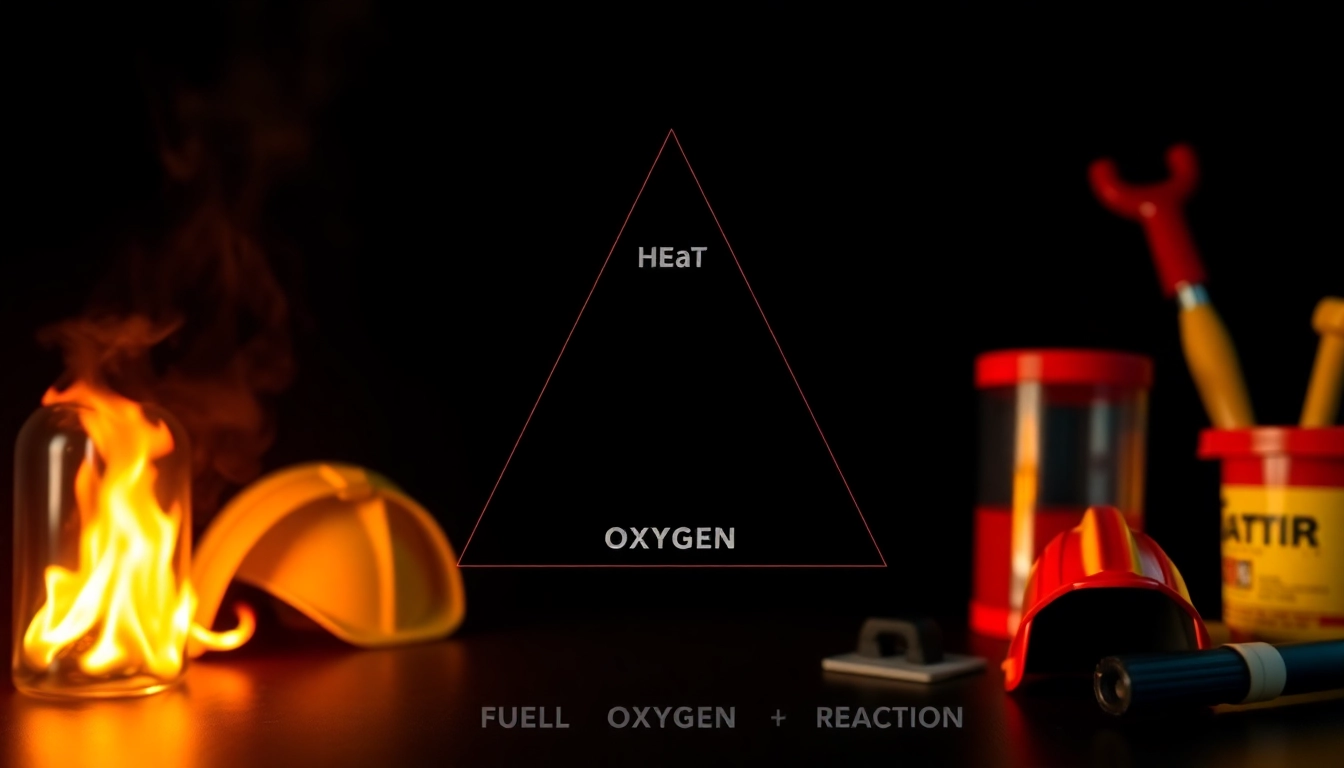
The fire tetrahedron is a model that illustrates the four essential elements required for combustion to occur. These elements include heat, fuel, oxygen, and a chemical chain reaction. While the first three elements have long been recognized in fire science, the addition of the fourth element signifies a more comprehensive understanding of how fires ignite and sustain themselves. Recognizing that an ongoing chemical reaction is required to maintain a fire highlights the complexity of fire behavior and helps refine fire management techniques.
1.2 Importance of the Fire Tetrahedron
Understanding the components of the fire tetrahedron is vital for numerous reasons. For firefighters, recognizing the four elements allows for more effective strategies in extinguishing fires. In industries where flammable materials are present, this knowledge contributes to designing safer working environments and comprehensive safety protocols. Moreover, the fire tetrahedron plays a crucial role in fire education, helping individuals, organizations, and communities be more proactive in preventing fires. By comprehending how these elements interact, stakeholders can devise strategies that target one or more components to alleviate fire risks.
1.3 Overview of Its Components
The fire tetrahedron comprises four interdependent elements:
- Heat: The initial trigger that raises the material to its ignition temperature.
- Fuel: Any combustible material that can be consumed by fire.
- Oxygen: The element that most commonly supports combustion, usually derived from the air.
- Chemical Chain Reaction: The ongoing reactions that sustain fire, allowing it to spread and develop.
Recognizing these elements and their interactions is the foundation of effective fire prevention strategies.
2. The Four Elements of the Fire Tetrahedron
2.1 Heat: The Trigger for Ignition
Heat serves as the catalyst for fire; it is essential for raising the temperature of the fuel to a point where it can ignite. This can come from various sources:
- Open flames (e.g., matches, lighters)
- Electrical sources (short circuits, hot surfaces)
- Friction (machinery and equipment)
- Chemical reactions (combustible materials reacting with oxidizers)
Each source of heat can have differing ignition characteristics and can affect how quickly a fire can start. Understanding the heat sources present in an environment allows for proactive measures to be taken to mitigate the risk of ignition.
2.2 Fuel: Types and Sources
Fuel is any substance that can combust, including solids (wood, paper), liquids (gasoline, paints), and gases (propane, methane). Each type of fuel has its own flammability characteristics and ignition temperatures. The understanding of various fuel types is critical for fire prevention, as it helps individuals to:
- Identify potential fire hazards in their environment.
- Implement proper storage practices to limit access to flammable materials.
- Design safety systems that can handle the specific combustion properties of fuels present.
2.3 Oxygen: The Invisible Fuel
Oxygen is an essential element for combustion to occur. Fire generally requires 16% oxygen in the air to ignite, while the atmosphere typically contains about 21%. Firefighters often use techniques to limit oxygen flow to a fire, effectively smothering it. Understanding the role of oxygen in the fire tetrahedron is crucial for:
- Firefighters employing effective extinguishing agents.
- Designing spaces with proper ventilation to prevent uncontrolled fires.
- Conducting risk assessments in environments where oxygen levels could fluctuate.
3. How the Fire Tetrahedron Works
3.1 Interactions Between Elements
The elements of the fire tetrahedron interact in complex ways. When heat is applied to fuel in the presence of oxygen, a series of chemical reactions are initiated that lead to the release of heat and light, commonly referred to as fire. The emitted heat can further raise nearby fuel materials’ temperatures, promoting more combustion. Understanding these interactions allows anticipatory measures to be taken:
For example, creating barriers that prevent heat from reaching flammable materials can hinder the process, while establishing safe distances between heat sources and fuel can limit fire spread.
3.2 Stopping the Fire Triangle
While the fire tetrahedron is useful in understanding how fires ignite, it also provides insights into firefighting methods. To extinguish a fire, it is necessary to remove at least one of the tetrahedron’s elements. These strategies include:
- Cooling the heat with water or foam.
- Smothering the fire to deprive it of oxygen (using fire blankets or foam suppressants).
- Eliminating the fuel source through isolation or cleanup actions.
3.3 Importance in Fire Prevention Strategies
Understanding the fire tetrahedron allows businesses, government agencies, and individuals to devise comprehensive fire prevention strategies. Organizations can develop regular training programs that educate employees about the fire tetrahedron’s components and influence their safety behaviors. Procedures can be put in place to routinely inspect and maintain fire safety equipment, improving overall preparedness.
4. Applications of the Fire Tetrahedron in Safety Protocols
4.1 Fire Safety Training and Equipment
Proper training on the fire tetrahedron elements forms the foundation of effective fire safety protocols within organizations. Regular training programs should include:
- Recognizing fire hazards associated with heat, fuel, and oxygen
- Understanding how to prevent chemical chain reactions during storage and handling of materials
- Implementing fire drills that include identification and extinguishing methods as per the tetrahedron model
Accompanying this training should be the provision of appropriate safety equipment, including fire extinguishers specifically designed for different types of fires (e.g., Class A for solids, Class B for liquids). Deploying equipment effectively ensures that individuals have the resources needed to respond swiftly.
4.2 Real-World Case Studies
Several case studies exemplify how understanding the fire tetrahedron has led to effective fire prevention strategies:
Case Study 1: In a manufacturing facility dealing with flammable liquids, safety managers implemented an advanced fire safety training program that revolved around the fire tetrahedron. This program included frequent fire drills, proper storage of materials, and awareness about heat sources. As a result, workplace fire incidents dropped by 40% over two years.
Case Study 2: A significant fire in an office building was averted by the timely intervention of properly-trained staff who understood the fire tetrahedron. When an electrical fault started generating heat in close proximity to paper products, staff promptly isolated the power source (removing the heat), extinguishing the small flames before they escalated, thanks to their knowledge of fire dynamics.
4.3 Best Practices for Fire Prevention
To harness the principles of the fire tetrahedron in everyday life and reduce fire risks, consider these best practices:
- Conduct regular fire risk assessments to identify potential ignition sources, fuel sources, and possible chemical reactions.
- Educate all employees and residents on fire safety protocols, focusing on the four elements and how to mitigate them.
- Maintain clear and accessible fire exit routes and ensure that spaces are not cluttered with flammable materials.
- Implement a robust schedule for maintenance of fire safety equipment and conduct routine fire drills.
5. Conclusion and Future Directions
5.1 Recap of Key Points
Understanding the fire tetrahedron—comprising heat, fuel, oxygen, and the chemical chain reaction—is essential for effective fire prevention and safety management. Each element interacts with others, contributing to the ignition and propagation of fire. Strategies to eliminate one or more components can assist in extinguishing flames or preventing fires from starting altogether.
5.2 Advances in Fire Safety Science
As fire safety science continues to advance, new materials, technologies, and training methods emerge. Innovations such as smart fire detection systems that monitor heat and smoke levels, as well as fire retardant materials that modify combustion processes, show promise in enhancing safety further. Ongoing research into the chemical responses involved in the fire tetrahedron will continue to improve understanding and prevention efforts.
5.3 Resources for Further Learning
For those interested in deepening their understanding of fire safety and the fire tetrahedron, consider the following resources:
- National Fire Protection Association (NFPA) – Offers training and materials on various fire safety topics.
- Local fire departments – Often provide workshops, training sessions, and safety resources.
- Online courses on fire safety from various educational platforms.
By investing time and resources into fire safety education based on the fire tetrahedron model, individuals and organizations can significantly reduce fire risks and promote a culture of safety.