

Understanding Canopy Tents
What is a Canopy Tent?
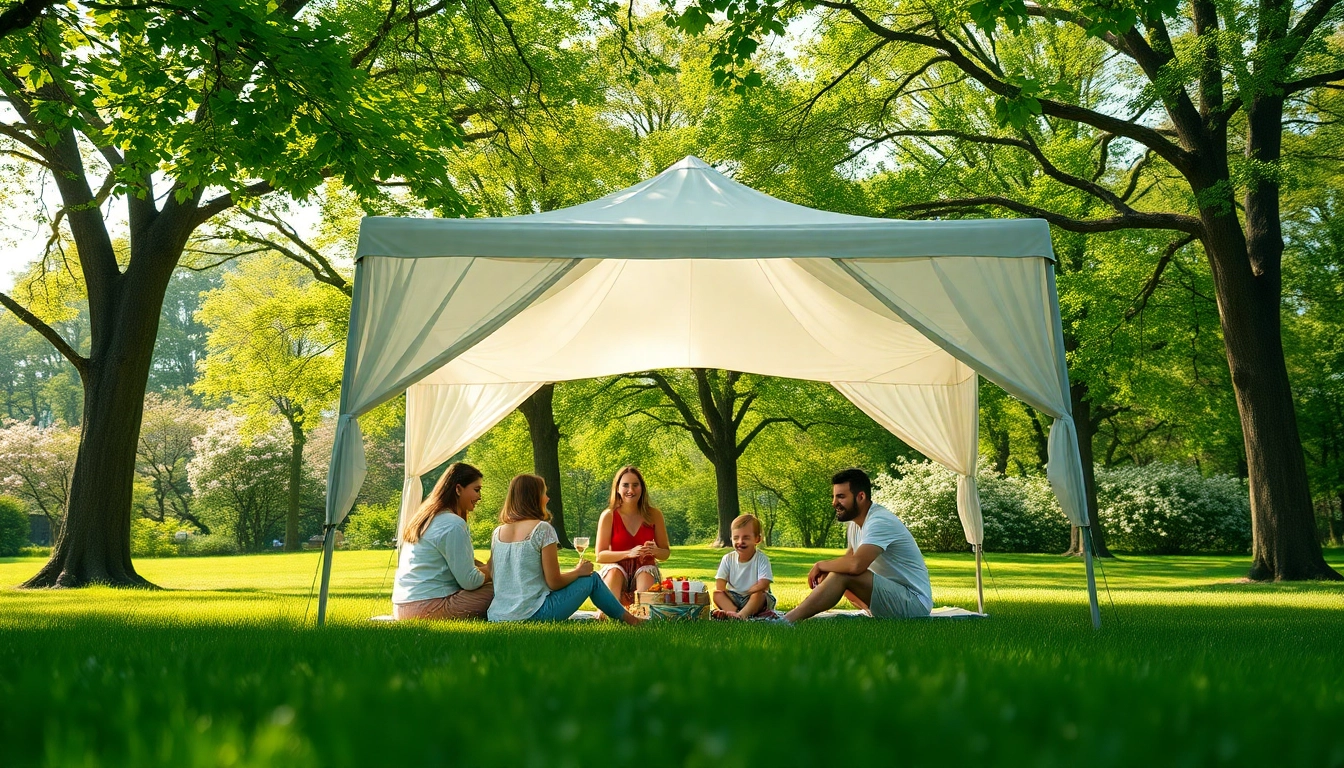
A canopy tent is a versatile outdoor structure primarily designed to provide shelter from various weather conditions. Typically, it consists of a fabric top supported by a frame, which can be made from materials like metal or plastic. These tents offer a reliable solution for events like weddings, festivals, camping outings, and even simple family gatherings by shielding against sun, rain, or wind, depending on the event’s requirements.
Types of Canopy Tents
Canopy tents come in various shapes, sizes, and styles, catering to a multitude of needs. Below are some of the most common types:
- Pop-Up Canopies: Easily assembled and disassembled, pop-up tents are perfect for casual outings, providing quick shade and protection.
- Pole Tents: Supported by vertical poles, these tents often have a more traditional appearance and can span larger areas, making them ideal for extensive gatherings.
- Frame Tents: With a sturdy aluminum or steel frame, these tents are more durable, can be used on various surfaces, and are perfect for long-term setups.
- Carport Canopies: Specifically designed to provide shade and protection for vehicles, these are large tents meant for garage-like use.
Choosing the Right Size
Selecting the proper size for a canopy tent depends largely on the type of event being accommodated, the number of people, and the space available. For smaller, intimate gatherings, a compact tent could suffice, while larger events such as weddings might necessitate something that can comfortably accommodate 100+ guests. Consider the layout as well, ensuring there’s space for tables, chairs, and any other additional structures needed for the event.
Benefits of Using Canopy Tents
Protection from Weather Elements
The primary function of a canopy tent is to serve as a barrier against adverse weather conditions. From harsh sunlight to unexpected rain showers, a canopy tent can enhance the comfort level of outdoor events. Additionally, they can provide a cooler environment for guests by blocking UV rays and reducing the risk of sunburn during summer events.
Versatility for Events
Canopy tents are incredibly versatile and can be used for various events, including parties, outdoor markets, trade shows, and sports events. Their adjustable sizes and customizable options mean they can easily meet specific requirements, whether you need a simple shade for a barbecue or a more elaborate setup for a wedding reception.
Enhancing Outdoor Aesthetics
Beyond functionality, canopy tents can elevate the aesthetic appeal of an outdoor event. Available in various colors and designs, they can be dressed up with decorative elements such as lights, drapes, and centerpieces to create a themed atmosphere. This decor not only beautifies the venue but also helps to create a more inviting ambiance for guests.
Top Features to Consider
Material Durability
When choosing a canopy tent, the durability of the materials used is crucial. Look for tents made from high-quality fabrics such as polyethylene or vinyl for the canopy, as these materials are more resistant to tearing and weather elements. Additionally, the frame should be made from strong materials like aluminum or heavy-duty steel to ensure stability and longevity.
Portability and Setup Ease
Considering how easy the tent is to transport and set up is vital, especially for users who plan to move their tents frequently. Pop-up canopies excel in this aspect, as they typically come ready-to-use with quick setup mechanisms. Be sure to check if the tent comes with a carrying case for added convenience.
Add-ons and Accessories
Many canopy tents can be further customized with various accessories such as sidewalls, lighting options, and additional canopies. Sidewalls can provide extra protection from the wind and rain, while lights can enhance evening events. Some tents even support heating elements, making them viable options for cooler climates.
Setting Up Your Canopy Tent
Ideal Locations for Setup
Choosing the right location for your canopy tent is critical to its function and effectiveness. Look for flat, level ground free from debris and potential hazards, such as branches or rocks. Proximity to utilities like electricity and water can also enhance the functionality of your tent setup, especially for catered events.
Securing Your Tent Effectively
To ensure stability, it is essential to secure your canopy tent properly. Use tent stakes to anchor it to the ground, and consider adding weight bags or sandbags if you anticipate wind. Safety should be your top priority; a well-secured tent can prevent accidents and damage.
Creating a Comfortable Atmosphere
To transform your canopy tent into a comfortable gathering space, consider incorporating furniture, decorations, and even heating elements if the temperature calls for it. Ensuring good ventilation through open sides or mesh walls can also aid in maintaining comfort, particularly during warm weather.
FAQs about Canopy Tents
How do I select the right size for my event?
Assess the number of guests and the layout of tables and chairs when choosing your canopy tent size. Ensure there’s enough space for movement and activities.
Can I use a canopy tent for camping?
Absolutely! Canopy tents can provide shelter for meals and relaxation while camping, offering protection from sun and rain.
What materials are best for different weather conditions?
For rainy conditions, choose vinyl or heavy-duty polyester. For sun protection, look for UV-resistant materials like UV-treated polyester.
How long does it take to set up?
Setup times vary by type of tent, but pop-up canopies generally take 10-15 minutes, while larger pole and frame tents may take longer.
Are canopy tents safe in windy conditions?
While most canopy tents can withstand mild winds, it is important to secure them properly. Always monitor weather conditions and be cautious of severe winds.