

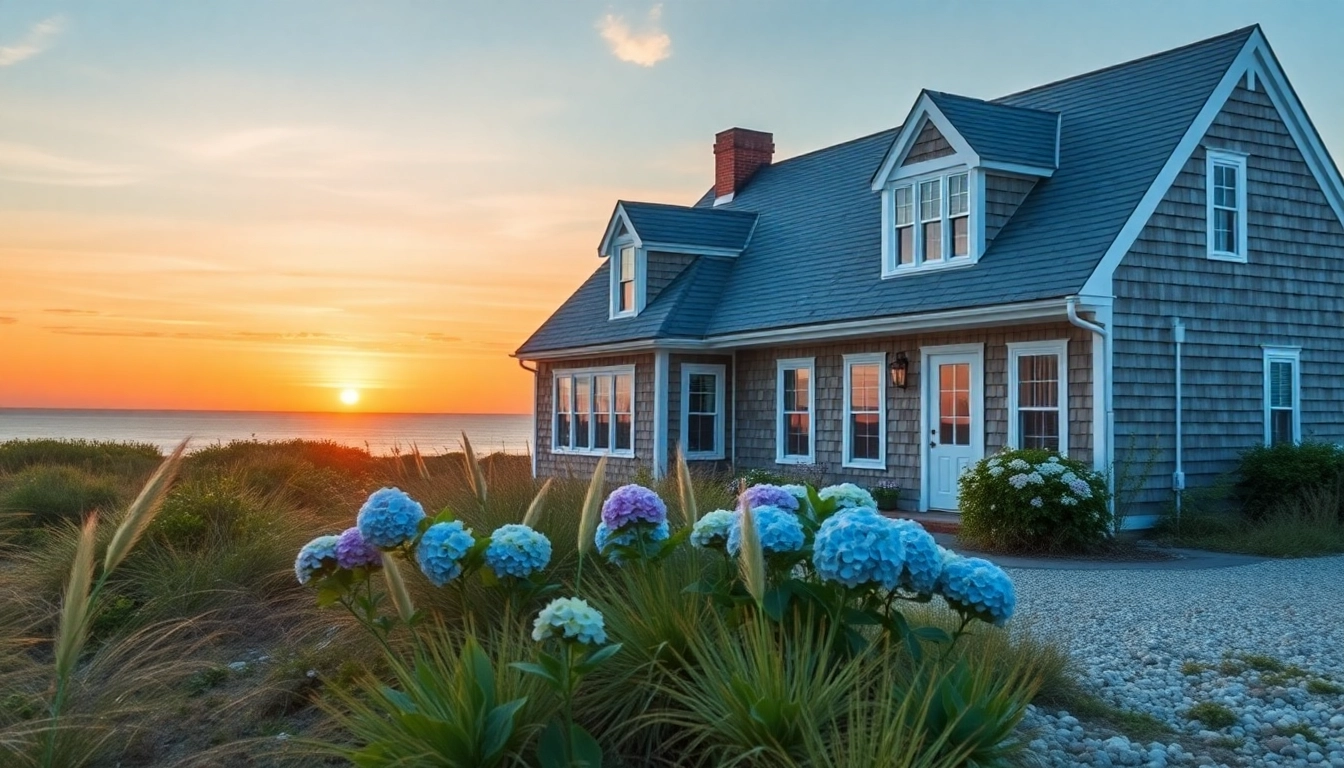
Understanding the Cape Cod Home Style
The cape cod home is a distinctive architectural style that evokes the coastal charm and simplicity of the New England region. Characterized by its steep roofs and symmetrical lines, this style embodies both beauty and practicality, suited for the unique coastal environment. In the following sections, we will delve deeper into the historical significance, architectural features, and the irresistible appeal of coastal living in Cape Cod homes.
Historical Significance of Cape Cod Homes
Originating in the early 17th century, Cape Cod homes were designed by early settlers to withstand the harsh New England winters. The style evolved as a response to local climate conditions, featuring a low-profile structure built with wood, which was abundant in the region. The simplicity of Cape Cod homes reflected the Puritanical values of these early inhabitants, focusing on no-frills functionality.
During the Colonial period, Cape Cod homes saw an influx of features like dormer windows and minimalistic detailing. This architectural tradition was intended to provide not only shelter but warmth and utility. In the 20th century, there was a revival of interest in this style, driven by a desire to reconnect with historical roots and the natural environment.
Architectural Features of a Cape Cod Home
When exploring the architectural nuances of a Cape Cod home, several key features stand out:
- Steep Roof: This feature is designed for efficient snow and rain runoff, preventing moisture-related damage.
- Dormer Windows: Often nestled into the roofline, these windows enhance natural light and add character to the exterior.
- Shingle Siding: Traditionally made from cedar, this type of siding provides durability and an aesthetic connection to the coastal environment.
- Symmetrical Facade: The balanced layout gives Cape Cod homes a classic and timeless appearance, often framed with shutters for authenticity.
The Appeal of Coastal Living in Cape Cod Homes
Living in a Cape Cod home is synonymous with embracing a lifestyle that values tranquility, community, and nature. The proximity to beaches, scenic views, and fresh air leads many to view Cape Cod homes not just as places to live but as havens of relaxation. Residents often find joy in outdoor activities such as boating, fishing, and walking along picturesque shorelines.
Furthermore, the appeal of Cape Cod extends beyond its natural beauty. Communities are often tight-knit, fostering friendships and a sense of belonging. With quaint stores, local eateries, and cultural festivals, Cape Cod residents experience a vibrant lifestyle enriched by an engaging community spirit.
Designing Your Perfect Cape Cod Home
Designing your ideal Cape Cod home involves considering both aesthetics and functionality. It’s essential to ensure that your design aligns with the iconic features of the cape cod home style while personalizing it to reflect your unique taste.
Interior Design Ideas for Your Cape Cod Home
The interior of a Cape Cod home should exude warmth and coziness, echoing the inviting coastal landscape. Here are some design ideas:
- Color Palette: Utilize soft, inviting colors such as pale blues, sandy beiges, and crisp whites to reflect the coastal environment.
- Natural Materials: Choose wood, stone, and linen to create an organic aesthetic that resonates with the outdoor surroundings.
- Open Spaces: Maximize natural light by embracing open floor plans and large windows to foster an airy atmosphere.
- Beachy Accents: Incorporate nautical-themed decorations such as seashells, driftwood, and gorgeous marine art to enhance the coastal vibe.
Outdoor Spaces: Patios and Gardens
The outdoor spaces of a Cape Cod home should invite relaxation and entertainment. Here are some ideas to create functional and beautiful patios and gardens:
- Outdoor Seating: Consider inviting seating areas with comfortable furniture to encourage gatherings.
- Garden Beds: Plant native flora that thrives in coastal conditions, adding colorful blooms and greenery.
- Fire Pits: Create a cozy atmosphere for evening gatherings, surrounded by warm lighting and nature.
- Walkways: Use stone resources to design winding pathways that offer an inviting exploration of the landscape.
Choosing the Right Materials for Construction
Selecting durable and appropriate materials is crucial for ensuring your Cape Cod home withstands coastal elements. Here are essential materials to consider:
- Cedar Shingles: Ideal for the roof and siding, cedar shingles offer longevity and defend against rot due to its natural oils.
- Composite Decking: Ideal for outdoor spaces, composite materials resist fading, warping, and weather-related decay.
- Energy-Efficient Windows: Opt for double-glazed windows that enhance insulation and keep energy costs down.
- Resilient Insulation: Use high-quality insulation materials to ensure comfort, reducing reliance on heating and cooling systems.
Benefits of Living in a Cape Cod Home
The advantages of residing in a cape cod home are plentiful, from lifestyle benefits to investment potential. Understanding these benefits can aid you in making informed real estate decisions.
Community and Lifestyle in Cape Cod Areas
Living in a Cape Cod community means embracing a lifestyle rich in culture and outdoor activities. Many towns host arts festivals, farmers’ markets, and community events that foster connection among neighbors. The proximity to pristine beaches allows residents to engage in water sports, long walks on the beach, and sunset gatherings, creating cherished memories with family and friends.
Investment Value of Cape Cod Homes
Cape Cod homes have demonstrated excellent investment value over the years. The enduring popularity of these homes as vacation properties contributes to their market stability. By carefully selecting locations, maintaining the property, and making thoughtful renovations, homeowners can expect appreciation in property value, making it a sound financial decision.
Environmental Considerations for Coastal Homes
When designing and living in a Cape Cod home, environmental considerations are paramount. Sustainable practices such as using eco-friendly materials and energy-efficient technologies can mitigate the carbon footprint. Homeowners are encouraged to employ local plants, which require minimal irrigation, and consider implementing rainwater harvesting systems to conserve water resources.
Common Mistakes to Avoid in Cape Cod Home Renovations
While renovating a Cape Cod home offers an exciting opportunity for personalization, some common pitfalls should be avoided to maintain architectural integrity and functionality.
Overlooking Local Building Codes
Before commencing renovations, it’s crucial to familiarize yourself with local building codes. Ignoring municipal regulations can lead to costly fines and potential issues during the sale of the property.
Ignoring the Home’s Architectural Integrity
Renovations should reflect the original architectural style to preserve the essence of a Cape Cod home. Avoid making drastic changes that could detract from its historical character, as such changes may negatively impact both aesthetics and property value.
Underestimating Maintenance Needs
Cape Cod homes require regular maintenance to ensure longevity. Many buyers underestimate the cost of upkeep related to weather exposure, particularly in coastal environments. Planning and budgeting for ongoing maintenance can prevent unpleasant surprises down the line.
FAQs About Cape Cod Homes
What are the key features of a cape cod home?
A cape cod home typically features steep roofs, shingle siding, dormer windows, and a symmetrical facade.
How can I choose the best location for my cape cod home?
Consider proximity to beaches, community amenities, schools, and local services while ensuring scenic views.
What are the average costs of building a cape cod home?
Costs can vary widely based on location, size, and materials; an average is between $200-$400 per square foot.
Are cape cod homes energy efficient?
With proper insulation and modern appliances, cape cod homes can achieve high energy efficiency ratings.
How do I maintain a cape cod home?
Regular maintenance includes inspecting the roof, cleaning gutters, painting, and preserving the siding from weather damage.