

Choosing the Right Wedding Flowers
When planning your wedding, one of the most significant elements you’ll need to consider is the choice of wedding flowers. The right flowers can beautifully convey the theme of your event and contribute to the overall ambiance. In this comprehensive guide, we will explore various factors influencing flower selection, types of wedding flowers, and seasonal considerations to help you make informed decisions for your special day.
Factors Influencing Flower Selection
Your choice of wedding flowers may be influenced by several factors:
- Wedding Theme: Your overall wedding theme will guide your flower choices. Whether it’s rustic, modern, vintage, or traditional, selecting flowers that complement your theme is crucial.
- Personal Preferences: Consider flowers that hold personal significance. Choosing your favorite blooms or flowers linked to special memories can add a unique touch to your wedding.
- Budget: Determine how much you are willing to spend on flowers. Prices can vary significantly based on flower types, seasonal availability, and arrangement complexities.
- Seasonality: Different flowers are available at different times of the year. Selecting seasonal flowers can help reduce costs and ensure freshness.
- Color Scheme: The color of your flowers should align with your wedding’s color palette. This cohesion will enhance the overall aesthetic of your decorations and attire.
Types of Wedding Flowers
Understanding the different types of available wedding flowers can help you make more informed choices. Some popular categories include:
- Bridal Bouquets: These are typically the most elaborate flower arrangements and can range from simple to extravagant depending on personal taste and budget.
- Centerpieces: Centerpieces often dictate the mood of the reception. They can be grand floral displays or simple arrangements, depending on your theme.
- Floral Decorations: From altar arrangements to aisle runners, flowers can enhance various aspects of your ceremony and reception locations.
- Corsages and Boutonnieres: These smaller floral pieces are worn by family members and the bridal party, adding a touch of floral elegance to their attire.
Seasonal Considerations for Wedding Flowers
Flowers have distinct blooming seasons, which can affect both the cost and availability. Here’s a quick overview of seasonal options:
- Spring: Favor roses, tulips, and peonies, which bloom beautifully in this season, offering vibrant colors.
- Summer: Choose sunflowers, lilies, and hydrangeas for their wide variety and bold, sunny colors.
- Autumn: Look for dahlias, chrysanthemums, and rich-hued roses that reflect the warm, earthy tones of the season.
- Winter: Opt for evergreens, amaryllis, and seasonal greenery, which provide unique charm during colder months.
Popular Wedding Flower Arrangements
Once you’ve chosen your wedding flowers, the next step involves deciding on the specific arrangements. Here are some popular options:
Bridal Bouquets
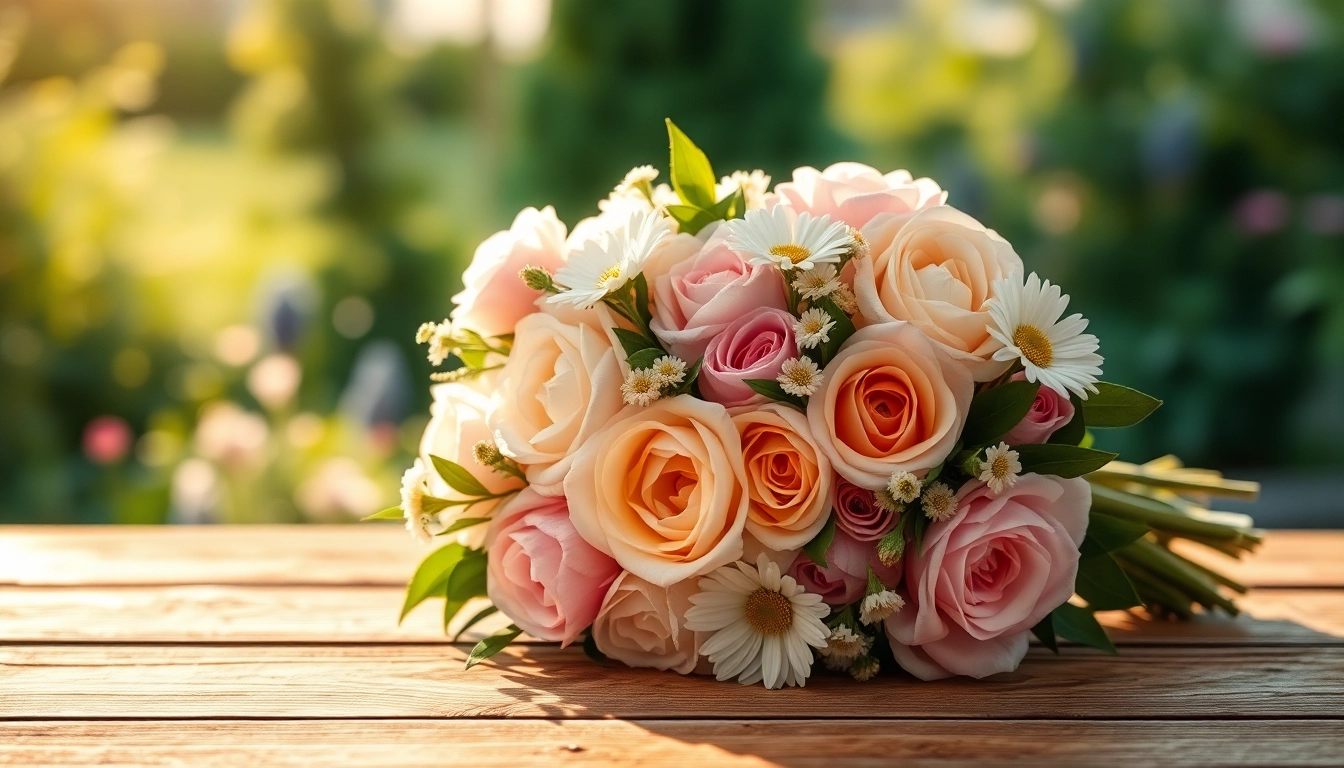
The bridal bouquet is arguably the centerpiece of wedding flowers. It reflects the bride’s personal style and complements her dress. Brides can opt for various shapes and styles: round, cascading, or posy bouquets. Popular flowers in bridal bouquets include:
- Roses
- Peonies
- Orchids
- Hydrangeas
- Calla lilies
Incorporating greenery, such as eucalyptus or ferns, can add texture and depth to the bouquet.
Corsages and Boutonnieres
Corsages are typically worn by mothers and grandmothers, while boutonnieres are worn by the groom and groomsmen. These floral accessories should complement both the bridal bouquet and the overall floral theme of the day. Choose small, simple flowers that still carry weight in your wedding’s aesthetic.
Centerpieces and Decor
Centerpieces set the tone for the reception. Mix and match flowers to create unique arrangements that resonate with your wedding theme. Options range from lush arrangements to minimalist designs featuring a single bloom. Don’t forget to consider height and scale to ensure guests can see each other across the table.
DIY Wedding Flowers vs. Professional Services
Couples often face the decision of whether to take on the challenge of DIY wedding flowers or hire a professional florist. Each choice has its pros and cons.
Pros and Cons of DIY Wedding Flowers
DIY wedding flowers can save money, yet it comes with its challenges:
- Pros: Cost-effective, personalized arrangements, and a fun project for couples and their friends and families.
- Cons: Time-intensive, potential stress leading up to the wedding, and the risk of not achieving the desired outcome.
When to Hire a Florist
Hiring a professional florist may be the best option if:
- Your wedding has a large guest list where coordination is crucial.
- You desire complex arrangements that require specialized knowledge.
- You have limited time or creative energy to devote to flower arrangements.
- You want guaranteed quality and freshness for your flowers.
Budgeting for Wedding Flowers
Understanding how to budget for wedding flowers is essential to avoid overspending. Allocate approximately 10-15% of your overall wedding budget for floral arrangements. Itemize your choices (bouquets, centerpieces, decor, etc.) to have a clear idea of costs. Don’t forget to factor in delivery and setup fees if using a florist.
Flower Care and Preservation Techniques
Once you have the perfect flowers selected, it’s crucial to know how to care for them. Proper care ensures your flowers remain fresh and vibrant throughout your wedding day.
Maintaining Fresh Wedding Flowers
To maintain the freshness of your wedding flowers, follow these tips:
- Store flowers in a cool place away from direct sunlight.
- Cut the stems at an angle and place them in clean water immediately.
- Use floral food to ensure longevity.
- Regularly change the water and re-cut stems as needed.
Preserving Your Wedding Bouquet
After the wedding, preserving your bouquet can help keep memories alive. You can dry the bouquet naturally, press it between pages in a book, or use silica gel for better preservation. Alternatively, consider hiring a professional preservation service for long-lasting keepsakes.
Storing Wedding Flowers Before the Event
Store flowers in a cool, dark area to prolong their life before transportation to the venue. If they need to be arranged a day in advance, ensure they stay hydrated and are placed in clean water until the wedding day.
Trends in Wedding Flowers
The world of wedding flowers is ever-evolving, with trends shifting as quickly as the seasons. Here are some current trends influencing wedding flowers:
Eco-Friendly Wedding Flowers
Increasingly, couples are seeking sustainably sourced flowers. Eco-friendly options include locally grown blooms, potted plants, or dried flowers that minimize waste and carbon footprint.
Color Palettes and Themes
Establishing a cohesive color palette is essential. Bold colors, pastels, and monochromatic schemes all have their place in wedding flower designs. Ensure your flower choice aligns and enhances the overall wedding theme you desire.
Unconventional Flower Choices
Couples are also experimenting with unconventional flower choices like succulents, seasonal wildflowers, or even artificial flowers that offer longevity and customization.
Frequently Asked Questions about Wedding Flowers
What types of flowers are commonly used for weddings?
Popular wedding flowers include roses, peonies, orchids, lilies, and hydrangeas. Each flower offers unique beauty and symbolism.
How do I choose colors for my wedding flowers?
Consider your wedding theme and color palette. Choose complementary colors or a monochromatic scheme for a cohesive look.
Can I mix different types of flowers in my arrangements?
Yes, you can mix various flowers! Ensure they have a unified color scheme or style to maintain harmony in your arrangements.
What is the best time to order wedding flowers?
It’s advisable to order wedding flowers at least three to six months in advance to guarantee availability and proper planning.
How can I preserve my wedding bouquet?
To preserve your bouquet, dry it naturally or use silica gel. Professional preservation services can also help create lasting keepsakes.