

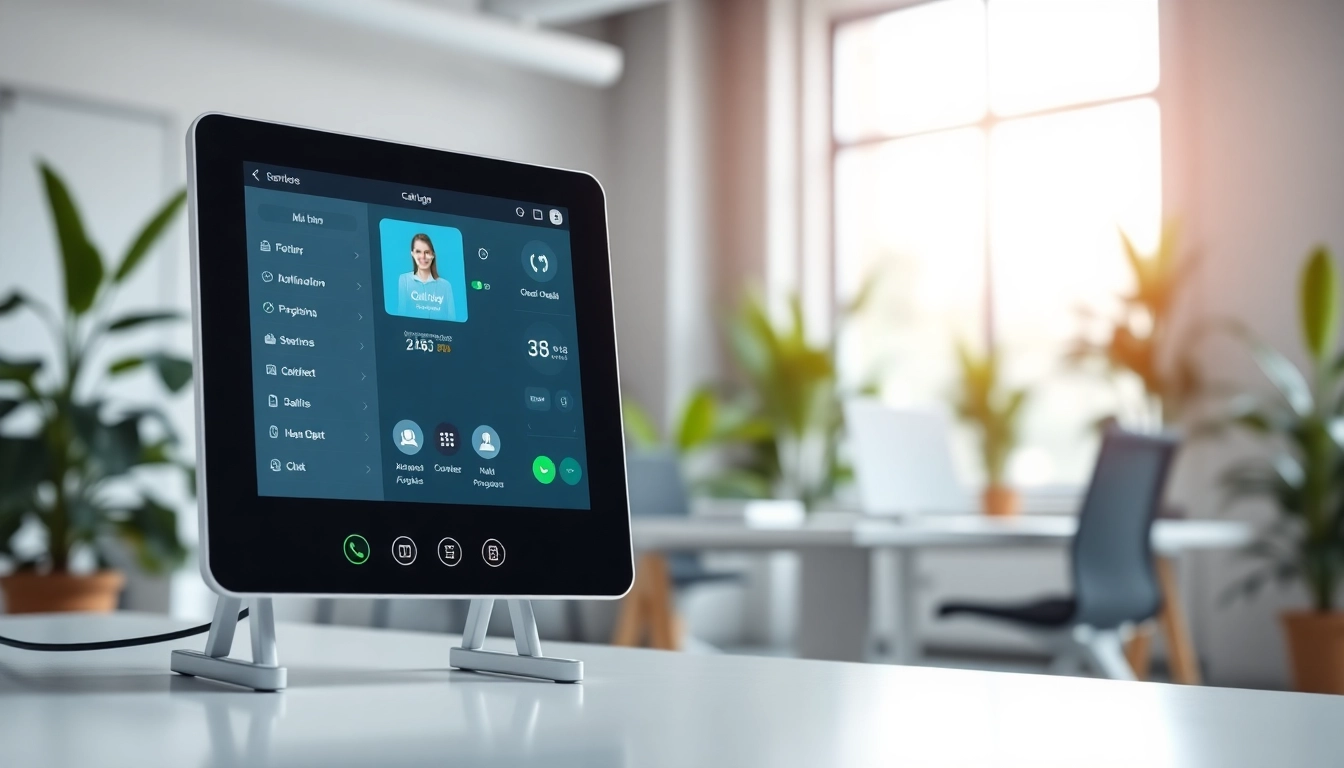
What is a Cloud Based Phone System?
Definition and Overview
A cloud based phone system revolutionizes how businesses communicate by utilizing the internet to deliver voice, messaging, and video services rather than traditional phone lines. Unlike conventional systems that require extensive hardware installations and infrastructure, a cloud based phone system operates entirely online. This means less physical equipment to maintain and greater flexibility in managing calls from anywhere.
How It Works
Cloud based phone systems function through Voice over Internet Protocol (VoIP) technology, converting voice calls into digital data packets that are transmitted over the internet. This technology enables users to make and receive calls via their internet connection, allowing for services such as video conferencing, instant messaging, and voicemail to email integration. Typically, businesses subscribe to a service provider that hosts the communication infrastructure, relieving them of maintenance responsibilities while providing scalability options as per business needs.
Primary Features
- VoIP Calling: High-quality voice calls over the internet.
- Unified Communications: Integration of various communication methods like voice, video, and messaging into a single platform.
- Call Management: Features like call forwarding, voicemail, and auto-attendant functionalities to streamline operations.
- Mobility: Access features and make calls from any internet-enabled device.
- Analytics and Reporting: Tools to track call performance and user engagement.
Benefits of a Cloud Based Phone System
Cost Efficiency
One of the primary advantages of adopting a cloud based phone system is its cost-effectiveness. Traditional telephone systems often come with considerable upfront costs related to hardware installation and maintenance. In contrast, cloud solutions operate on a subscription-based model with predictable monthly fees, allowing businesses to better manage their operating costs. Moreover, they eliminate the need for extensive onsite equipment and personnel for maintenance, substantially lowering overall expenses.
Scalability for Businesses
Cloud based phone systems are highly scalable, making them ideal for businesses that anticipate growth or change. Businesses can easily add or remove lines and features as needed, accommodating seasonal variations in demand or expansions into new markets. This flexibility extends to remote work scenarios where employees can maintain access to all communication features without being bound to a physical office space.
Flexibility of Use
The flexibility offered by cloud based phone systems enables employees to work remotely without sacrificing communication capabilities. Whether in the office, at home, or on the go, users can access their business communications from multiple devices, such as smartphones, tablets, or laptops, empowering a more agile work culture. This adaptability also allows businesses to maintain continuity during unforeseen disruptions, such as natural disasters or health crises.
Choosing the Right Cloud Based Phone System
Key Considerations
Selecting the appropriate cloud based phone system for your business entails evaluating several factors. Start by considering your specific communication needs, including call volume, the necessity for integrated features, and remote work priorities. Additionally, examining the vendor’s reliability, customer service reputation, and compliance with privacy regulations is crucial in making a well-informed decision.
System Requirements
To fully leverage a cloud based phone system, businesses should ensure they have the necessary technological infrastructure. This includes a stable internet connection with adequate bandwidth to support voice data transmission. While VoIP systems are generally compatible with existing hardware, accessing advanced features may require additional devices, such as VoIP phones or headsets optimized for clear communication.
Comparative Features
When evaluating different cloud based phone systems, businesses should compare features based on functionality, ease of use, and compatibility with existing tools. Criteria might include the variety of telephony features available (e.g., video conferencing, team messaging), mobile accessibility, and integration capabilities with Customer Relationship Management (CRM) software or other business applications. A comprehensive list of features will help in making a choice that aligns with business goals and operational workflow.
Transitioning to a Cloud Based Phone System
Steps for Migration
Transitioning to a cloud based phone system can be achieved through a few strategic steps. First, conduct an audit of your current telecommunication expenses and services to identify your imposed limitations and improvement areas. Following this, select a suitable cloud provider that matches your requirement specifications. Finally, develop a comprehensive implementation plan, including user training sessions, infrastructure adjustments, and a phased roll-out approach to minimize disruptions during the transition.
Common Challenges and Solutions
While migrating to a cloud based phone system can provide numerous benefits, there are potential challenges, including employee resistance to change and technical issues during the setup phase. To address these, prioritize comprehensive training programs to familiarize users with new tools and functionality. Encouraging employee feedback throughout the process can also facilitate smoother adaptation by directly addressing concerns and pain points.
Timeline for Implementation
The implementation timeline for a cloud based phone system can vary, typically ranging from several weeks to a few months depending on the complexity of the organization’s needs. Factors affecting the timeline include the size of the business, the setup of existing systems, and the scope of the new features being integrated. It’s advisable to set realistic expectations and maintain open communication with all stakeholders throughout the process to foster a positive transition experience.
Future of Cloud Based Phone Systems
Innovations in Technology
The future landscape of cloud based phone systems is poised to showcase transformative technological advancements like the adoption of artificial intelligence (AI) and machine learning. These innovations can enhance user experiences through features such as predictive dialing, chatbots for customer service, and enhanced analytics that drive decision-making. As these technologies evolve, they will further enrich the functionality and reliability of virtual communications.
Market Trends
As businesses have increasingly shifted towards distributed workforces, there has been a surge in the demand for cloud based communication services. Future market trends may see further integration with business collaboration tools, allowing seamless connectivity across different platforms. Additionally, with growing concerns over cybersecurity, enhanced security protocols will likely become a standard expectation for cloud service providers.
Integrating with Other Systems
Cloud based phone systems will increasingly be integrated with other business systems, such as customer relationship management (CRM) platforms and project management tools. This interoperability allows teams to communicate and collaborate more effectively, while also improving workflow efficiency. Adoption of APIs that enable these integrations will become standard, allowing businesses to customize their setup based on specific operational requirements.
Frequently Asked Questions
How much does a cloud phone system cost?
The cost of a cloud phone system typically ranges from $9 to $50 per user per month, depending on the features and level of service subscribed to.
Can a cloud phone system support remote work?
Yes, cloud phone systems are designed to support remote work, allowing users to access communication tools from any internet-connected device.
What are the main advantages of using a cloud based phone system?
Cloud based phone systems offer cost savings, scalability, flexibility, and access to advanced features not commonly available in traditional systems.
Is a cloud phone system secure?
Most reputable cloud phone providers implement strong security measures, including encryption protocols, to protect data and ensure secure communications.
How do I transition to a cloud based phone system?
Transitioning involves assessing your current setup, selecting a suitable provider, and developing a comprehensive migration plan to ensure a smooth implementation.
Contact Information
Customer Service Email: [email protected]
Mobile Sales Email: [email protected]
Support Email: [email protected]
Call us: 0333 015 2615
Head Office: Fareham Innovation Centre, Merlin House, 4 Meteor Way, Fareham, Lee-on-the-Solent, PO13 9FU.
London Address: 124 City Road, London, EC1V 2NX
Manchester Address: Bartle House, Oxford Court, Manchester, M2 3WQ