

Understanding Petite Sirah
Petite sirah is a grape variety that has gained recognition for its bold flavors and deep color. While it shares a similar name with Syrah, petite sirah is actually a distinct varietal known for producing wines with intense tannins and rich structure. Its robust nature makes it an ideal choice for regions that offer well-drained soils and consistent sun exposure. Clarksburg, with its unique silt soils, provides the perfect environment for Petite sirah to develop its full potential.
The Role of Clarksburg’s Silt Soils
Clarksburg is located in the Sacramento-San Joaquin Delta, where alluvial soils rich in silt dominate the landscape. These soils are known for their excellent water retention and nutrient balance, which support consistent vine growth. Petite sirah vines benefit greatly from silt soils because they allow roots to penetrate deeply while maintaining sufficient moisture. This balance contributes to the grape’s resilience and ability to produce concentrated flavors, a hallmark of high-quality petite sirah wines.
Climate Influence on Petite Sirah
The climate of Clarksburg also plays a critical role in the success of petite sirah cultivation. Warm days coupled with cool evenings provide a long growing season, allowing the grapes to develop a complex balance of sugars, acids, and phenolic compounds. Petite sirah thrives under these conditions because it can achieve full ripeness without losing its signature structure. The combination of silt soils and this climate ensures that every harvest delivers grapes with exceptional color intensity and tannin richness.
Viticultural Practices for Petite Sirah
Growers in Clarksburg have adapted specific viticultural practices to maximize the potential of petite sirah. Canopy management is essential to ensure adequate sunlight exposure and air circulation, which helps prevent disease while promoting even ripening. Controlled irrigation techniques take advantage of the silt soils’ natural water retention, supplying precise amounts of moisture to encourage deep root growth. These careful practices allow petite sirah to express both its varietal characteristics and the unique qualities of Clarksburg’s terroir.
Flavor Profile and Wine Characteristics
Wines made from petite sirah are celebrated for their dark, inky color and intense flavors of blackberry, blueberry, and plum, often accompanied by peppery and chocolate notes. The tannins are firm yet balanced, making these wines suitable for aging. The silt soils of Clarksburg contribute to the grape’s ability to develop complexity, offering wines that are both bold and nuanced. Petite sirah from this region typically exhibits a fine structure with a lingering finish, appealing to wine enthusiasts who appreciate depth and richness in their glass.
Petite Sirah and Food Pairing
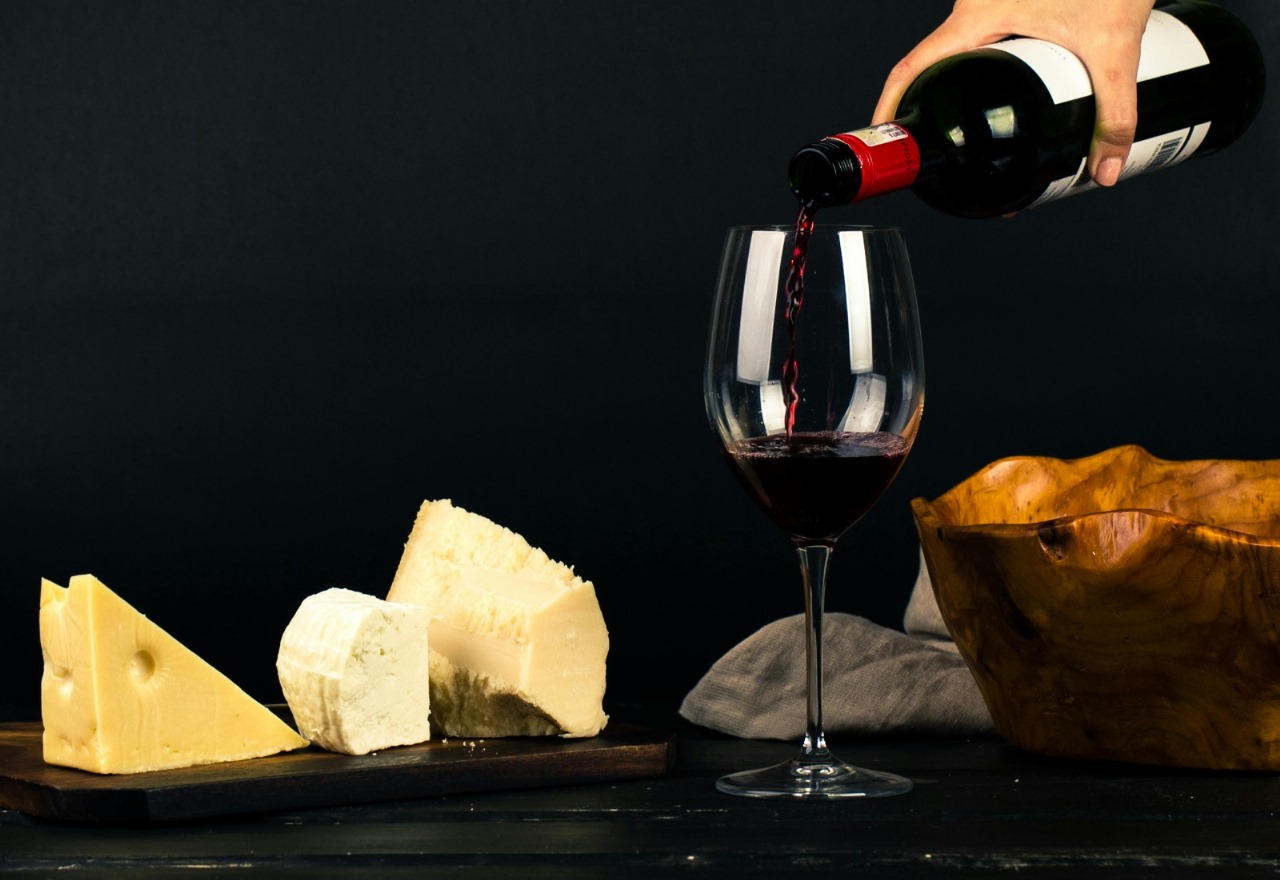
The robust nature of petite sirah makes it an excellent companion to hearty dishes. Its high tannins and bold flavors pair beautifully with grilled meats, rich stews, and strong cheeses. The structured body of petite sirah can stand up to spicy dishes, while the fruit-forward character complements savory flavors. Understanding the qualities of petite sirah allows sommeliers and home cooks alike to create memorable dining experiences that highlight the wine’s strengths.
Challenges and Rewards of Growing Petite Sirah
Despite its resilience, petite sirah presents certain challenges in the vineyard. Its thick skins and high tannin levels require careful monitoring to avoid over-ripening or excessive bitterness. Clarksburg growers rely on meticulous pruning, harvest timing, and vineyard management to ensure that each grape reaches optimal quality. The reward, however, is a wine that embodies power, complexity, and a true sense of place, demonstrating why petite sirah has become a flagship varietal for this region.
The Unique Terroir of Clarksburg
Clarksburg’s terroir is a combination of fertile silt soils, favorable climate, and skilled viticulture. Petite sirah benefits from this combination, expressing unique characteristics that cannot be replicated elsewhere. The interaction between the vine roots and silt soils enhances flavor concentration and consistency, resulting in wines with a depth that reflects both the grape and its environment. Clarksburg’s dedication to quality ensures that petite sirah continues to thrive and gain recognition among wine enthusiasts.
Conclusion
Petite sirah has found a perfect home in Clarksburg’s silt soils. The region’s fertile, well-drained soils, combined with a favorable climate and careful viticultural practices, allow petite sirah to develop its signature color, tannin structure, and rich flavors. From vineyard to glass, this grape embodies the essence of Clarksburg terroir, offering wines that are bold, complex, and enduring. For wine lovers seeking a varietal with intensity and character, petite sirah from Clarksburg provides an exceptional experience, showcasing why this grape continues to thrive in one of Northern California’s most distinctive wine regions.